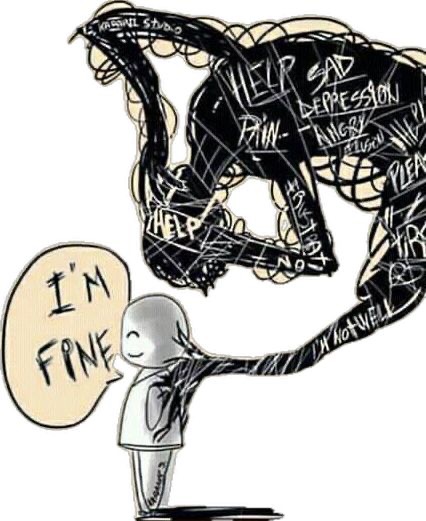

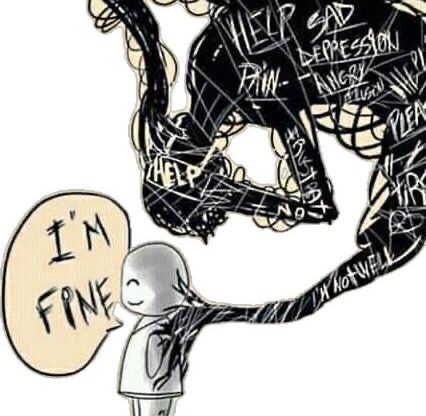

School days are not always simple. Pupils face many classes, tests, and assignment duties every week. They also wish to spend time with buddies and relatives. Sometimes there is not enough time for everything they need to finish. This can make pupils feel quite exhausted and tense. This serious issue is called academic burnout.
Academic burnout happens when pupils study too much and do not relax enough. They may feel drained every single day. They may not wish to attend school or complete homework. It can also be tough for them to focus during class. Even basic daily tasks can feel very hard.
Burnout can harm mental health too. Some pupils feel down, anxious, or upset for long periods. They may sleep poorly or lose interest in activities they normally enjoy. For instance, a pupil may quit playing sports or seeing buddies because they only worry about tests and grades. This is not healthy for their overall wellbeing.
There are easy ways to feel better. First, pupils can build a clear study schedule. They can study for a brief period and then take a short rest. They should sleep well, eat nutritious food, and drink enough water every day. Stepping outside, playing music, or chatting with a close buddy can also help. When pupils feel quite tense, they can speak with a teacher, a parent, or a school advisor.
I believe schools should value pupils’ emotions, not only their test scores. Teachers can assign clear homework and guide pupils when they face personal troubles. Parents can listen carefully and offer steady support. Pupils should also remember that nobody is flawless. A low score does not mean they are poor pupils.
In summary, studying matters, yet mental health matters too. Pupils need time to learn, relax, and enjoy life. With support and healthy routines, they can feel better at school. Every pupil deserves to feel safe, cheerful, and supported every day.
https://pmc.ncbi.nlm.nih.gov/articles/PMC8535431
https://www.who.int/news-room/fact-sheets/detail/mental-health-strengthening-our-response